

Tucked away in the quiet Swiss town of Hinwil, far from Formula 1’s bustling Motorsport Valley, lies a team whose legacy is built not on flashy victories but on endurance, precision, and an unshakeable commitment to racing excellence. Sauber, founded by Peter Sauber and making its Formula 1 debut in 1993, has competed for over three decades—an extraordinary achievement for an independent outfit in a sport dominated by manufacturer giants. Often overlooked but never underestimated, Sauber has served as one of F1’s finest talent incubators, launching the careers of future stars like Kimi Räikkönen, Felipe Massa, Robert Kubica, and Charles Leclerc. This unique ability to identify and develop raw potential has long been the team’s quiet superpower. Today, as it races under the banner of Stake F1 Team Kick Sauber and prepares to transition into the Audi F1 works team in 2026, the Swiss squad stands on the brink of its most transformative era yet. Sauber’s story has always been one of resilience and reinvention—and its next chapter may finally allow this silent powerhouse to roar.
Sauber isn’t a team that screams for attention — it earns it. In a sport dominated by giants and billion‑dollar empires, this quiet Swiss outfit has carved out a reputation built on resilience, precision, and a stubborn refusal to give up. This article weaves together journalistic clarity, narrative depth, analytical insight, and the admiration of a true fan to explore Sauber’s journey across decades of Formula 1 competition.
From a Swiss Garage to the Global Stage: The Birth of Sauber
Long before the name Sauber appeared on a Formula 1 entry list, it belonged to a young Swiss electrician with a stubborn dream and a tiny garage near Zurich. In the early 1970s, Peter Sauber began building race cars not out of corporate ambition, but out of pure mechanical passion. His very first creation, the Sauber C1—a modified Volkswagen Beetle chassis—was assembled by hand for Swiss hill climb events. It was modest, raw, and far from glamorous, yet it marked the birth of a philosophy rooted in precision, discipline, and relentless craftsmanship.
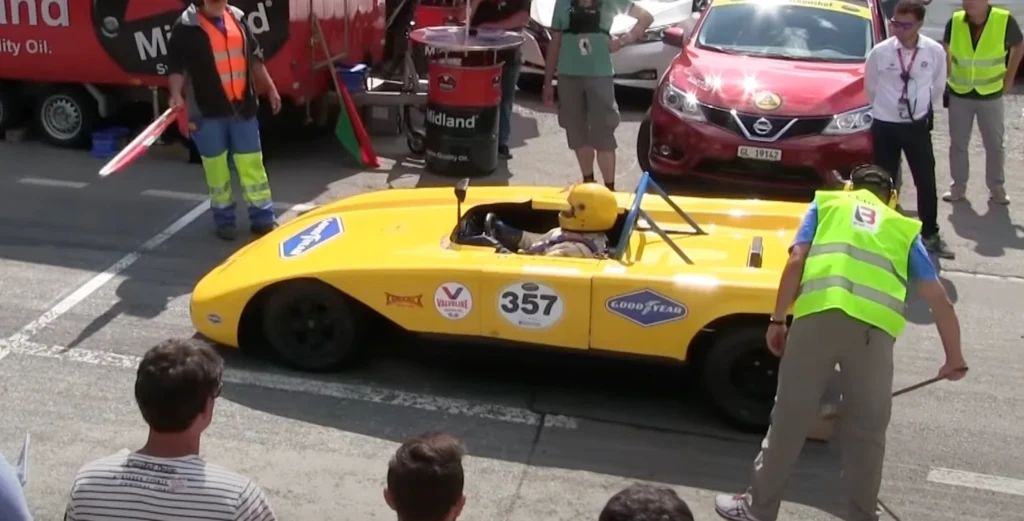
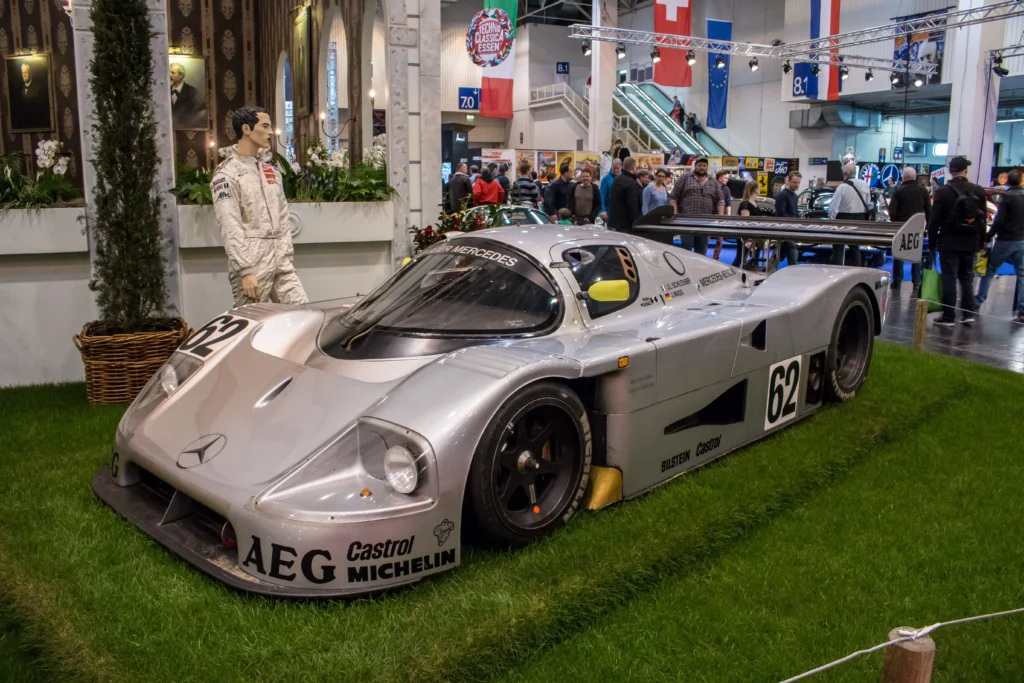
Throughout the 1970s and 1980s, Sauber’s reputation grew in the world of endurance racing. The team became known for building tough, efficient, and cleverly engineered machines, eventually entering the highly competitive World Sportscar Championship. But the real breakthrough came in 1988 when Sauber partnered with Mercedes-Benz. Together, under the banner of Sauber-Mercedes, they created some of the most dominant prototypes of their era. The legendary Sauber C9 stunned the motorsport world by winning the 24 Hours of Le Mans in 1989—one of racing’s greatest prizes—and securing back-to-back World Sportscar Championship titles in 1989 and 1990.
This period didn’t just elevate Sauber’s engineering status; it also became a proving ground for future Formula 1 stars. The young Michael Schumacher, alongside Karl Wendlinger and Heinz-Harald Frentzen, sharpened their skills in Sauber-Mercedes machinery before leaping into F1. Their success served as a testament to Peter Sauber’s ability to nurture talent—an early sign of the team’s future identity in Formula 1.
By the early 1990s, emboldened by international triumphs and driven by the belief that Swiss engineering belonged on the biggest stage of all, Peter Sauber made the bold decision to enter Formula 1. Though Mercedes ultimately pulled back from fully supporting the debut, their influence remained through Ilmor-built engines. And so, in 1993, the Sauber C12 rolled onto the grid at the South African Grand Prix—its “C” designation honoring Peter Sauber’s wife, Christiane, just as every Sauber car has since.
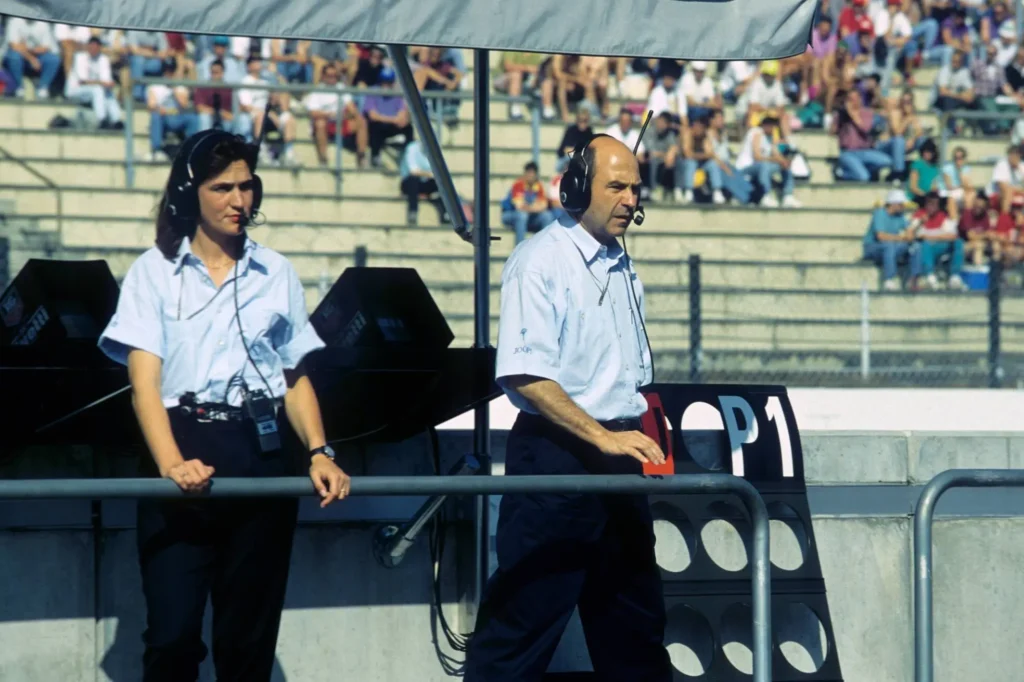
What began in a small garage had now become a global competitor. Sauber’s arrival in Formula 1 wasn’t just a debut; it was the culmination of two decades of persistence, innovation, and a quiet belief that even a small team from Switzerland could stand shoulder to shoulder with the sport’s giants.
Sauber began in 1970 as a passion project of Peter Sauber, a Swiss electrician who built his first race car—C1—in his parents’ basement. What started as a local racing venture eventually grew into an engineering powerhouse known for meticulous craftsmanship. By 1993, Sauber entered Formula 1 with Mercedes‑Benz backing, instantly earning respect as a professionally run, technically refined newcomer.
Early Battles & Quiet Brilliance: Sauber’s Climb Up the Grid
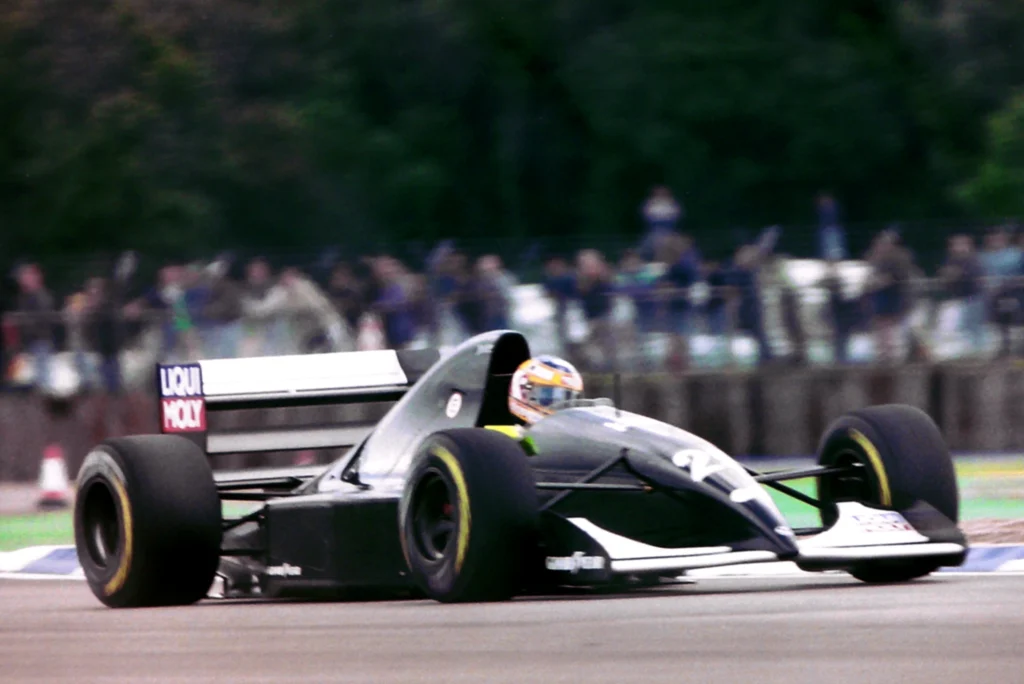
Sauber’s first steps in Formula 1 were anything but tentative. Their debut season in 1993 set the tone for what would become the team’s signature identity: quiet competence backed by sharp engineering instincts. The Sauber C12—sleek, efficient, and designed under the guidance of respected engineer Harvey Postlethwaite—arrived on the grid powered by Ilmor-built V10 engines rebadged under the Sauber name. And in their first-ever Grand Prix, the South African season opener, JJ Lehto stunned the paddock by finishing fifth. Scoring points on debut was rare for any new team; for a small Swiss outfit entering the world’s most demanding motorsport series, it was a statement.
The following years tested Sauber’s resilience. When Mercedes opted to join McLaren instead of supporting Sauber’s long-term Formula 1 program, the team was left scrambling for engine deals. They weathered a turbulent 1994 season marked by tragedy and uncertainty—most painfully Karl Wendlinger’s Monaco accident, which temporarily halted his rising career. But Sauber adapted. By 1995, they secured a valuable works engine supply from Ford, and with it came a milestone moment: Heinz-Harald Frentzen delivered Sauber’s first-ever podium at the Italian Grand Prix, a symbol of their steady rise despite limited resources.
Commercially, the mid-90s brought powerful allies. In 1995, energy drink giant Red Bull became a major sponsor—and later a minority shareholder—using Sauber as its entry point into Formula 1 long before establishing its own team. This partnership gave Sauber financial stability and global visibility. Two years later, another crucial alliance began: Sauber struck a deal with Ferrari to use their V10 engines, rebadged as Petronas power units. This gave the team access to cutting-edge, near-factory-level performance while maintaining its cherished independence.
Through these years, Sauber built the reputation that still defines them: a reliable midfield force with smart engineering, efficient operations, and a knack for discovering drivers with immense potential. The 1990s were not just about survival—they were about proving that even without massive budgets or manufacturer status, Sauber could carve out its own, quietly brilliant place in Formula 1.
Sauber’s early years were defined by grit. As a midfield team with limited resources, its achievements were often overshadowed by bigger rivals. Yet the Hinwil‑based squad became known for extracting performance from underrated drivers—like Heinz‑Harald Frentzen—and for its obsessive attention to detail. Journalistically, Sauber was a steady consistent presence; narratively, they were the underdog climbing a mountain one careful step at a time.
The 2000s: Survival, Innovation & Steadfast Identity
The early 2000s marked a transformative era for Sauber—one defined by bold decisions, strategic investments, and an uncanny ability to turn raw, unpolished talent into future Formula 1 stars. If the 1990s were about establishing their presence, the 2000s cemented Sauber’s identity as the grid’s master talent scout and one of motorsport’s most efficient privateer operations.
Peter Sauber’s greatest gamble—and greatest triumph—came in 2001 when he signed a virtually unknown young Finn named Kimi Räikkönen. With just 23 single-seater races to his name, many questioned whether Räikkönen even belonged in Formula 1. But Sauber saw something others didn’t. Kimi scored points on debut and helped propel the team to a remarkable fourth place in the Constructors’ Championship—their best-ever result as an independent outfit. Within a year, McLaren swooped in to sign the “Iceman,” validating Sauber’s eye for generational talent.
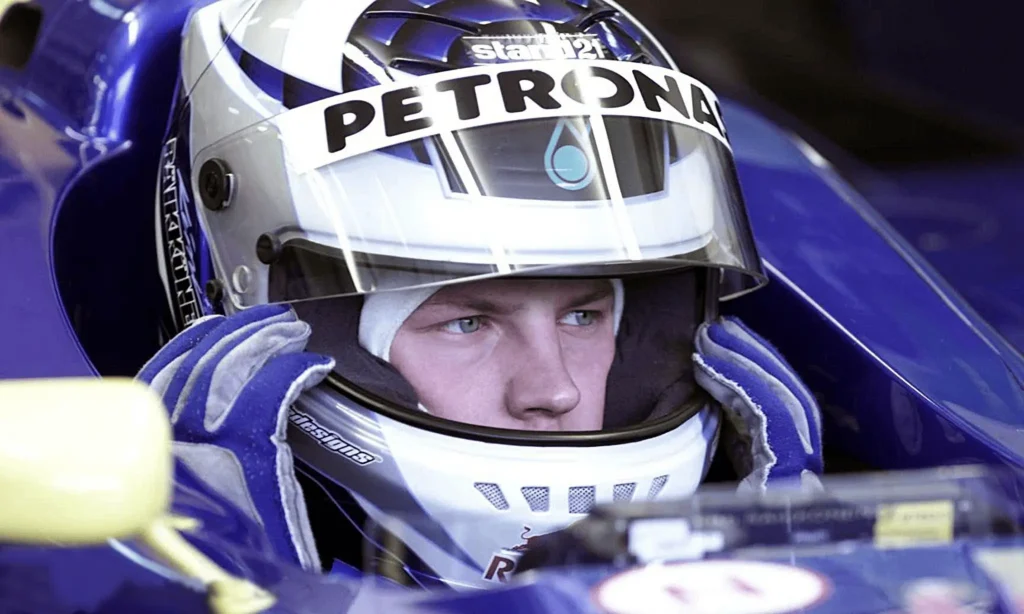
The trend continued with Felipe Massa, whose fiery speed and aggressive style found a home at Sauber in 2002. Massa’s development years in Hinwil paved the way for his eventual rise as a Ferrari race winner and championship contender. Again and again, Sauber proved they weren’t just surviving—they were shaping the future of Formula 1.
Behind the scenes, Sauber was making equally ambitious moves. In 2001, construction began on one of the most advanced wind tunnel facilities in Europe—a staggering investment for a private team. When it became fully operational in 2004, it instantly elevated Sauber’s aerodynamic capabilities to factory-team levels. This cutting-edge infrastructure would later become one of the key reasons BMW chose to acquire the team.
On the technical front, stability came through the Petronas partnership. Ferrari’s powerful V10 engines, rebadged under the Petronas name, ensured Sauber remained competitive even against wealthier manufacturers. Under the calm and consistent leadership of technical director Willy Rampf, the team consistently delivered punchy performances in a fiercely competitive midfield.
The results spoke for themselves: Frentzen’s podium at the 2003 US Grand Prix, strong midfield finishes throughout the decade, and a 2004 season that saw Sauber finish sixth in the championship—outperforming factory-backed teams.
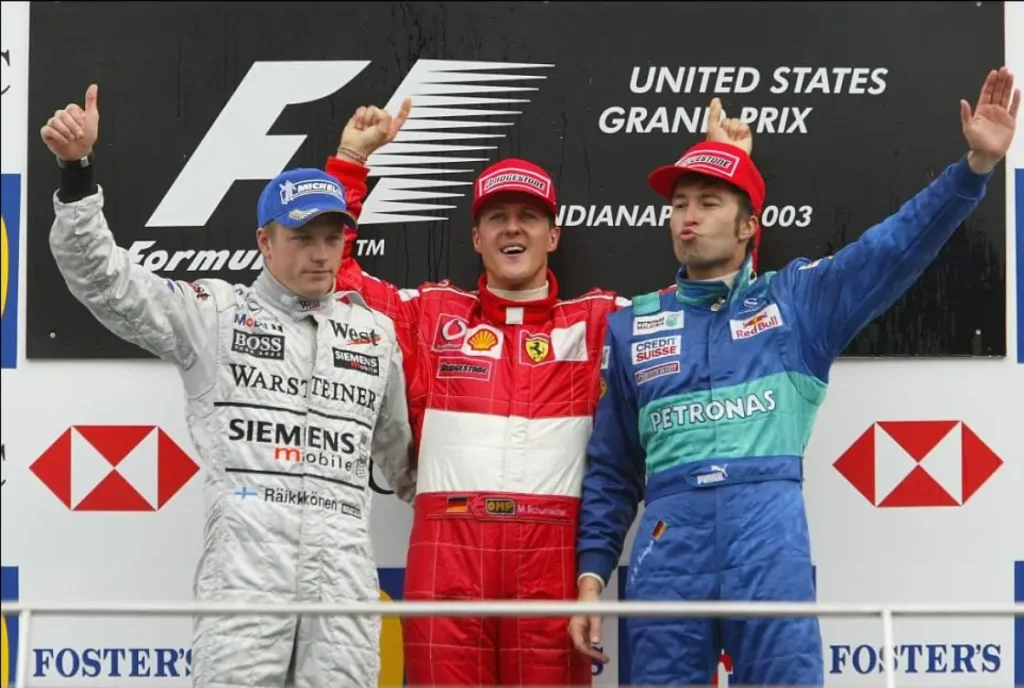
The 2000s showcased Sauber’s resilience and foresight. While bigger teams relied on budgets and brand power, Sauber thrived on intelligence, efficiency, and a relentless commitment to progress. These years laid the foundation for the most ambitious chapter in their history—the arrival of BMW.
The early 2000s were a test of endurance. Competing against corporate-backed giants, Sauber’s analytical strengths showed in its efficient aerodynamics program and advanced wind tunnel—one of the best of its time. The team scored podiums, developed Felipe Massa, and remained financially disciplined. Fans admired the team’s ability to stay relevant despite budget disadvantages, proving that intelligent engineering could still challenge big money.
The BMW Era: When Sauber Roared Loudest
When BMW arrived in Hinwil in 2006, it was more than a partnership—it was a statement of ambition. After purchasing a majority stake in Sauber the previous year, the newly formed BMW Sauber F1 Team represented the union of Swiss precision and German engineering might. For the first time in its history, Sauber was no longer the underdog or the quiet midfielder; it was a factory-backed contender aiming squarely at the top.
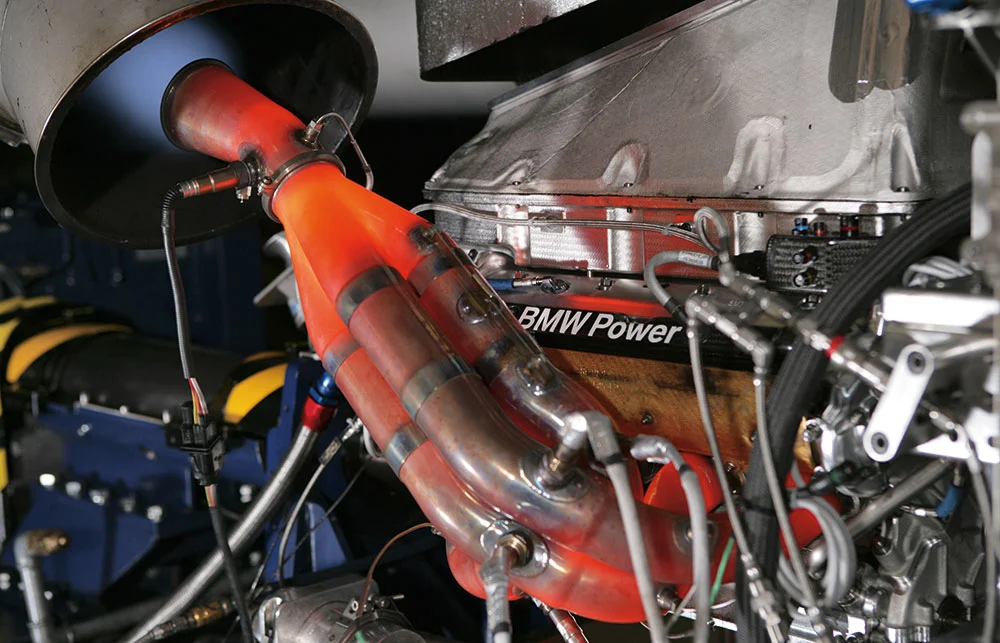
The structure of this partnership was a technical symphony. Hinwil remained responsible for chassis design and aerodynamic development, powered by the state-of-the-art wind tunnel Peter Sauber had invested in just years earlier. Munich, meanwhile, became the home of the ferocious BMW P86 V8 engine, a masterpiece of engineering. Together, these two facilities set the foundation for BMW Motorsport Director Mario Theissen’s bold proclamation: the team would fight for the World Championship within three years.
And remarkably, they nearly did.
2006 marked the team’s debut season, and expectations were modest. Yet the team immediately outperformed them—scoring two podiums and finishing a strong 5th in the Constructors’ Championship. The Hinwil-Munich operation gelled quicker than anyone anticipated.
By 2007, BMW Sauber had become the undisputed best of the rest behind Ferrari and McLaren. Officially classified 2nd in the Constructors’ Championship after McLaren’s disqualification, the team delivered consistent podiums and demonstrated the kind of operational precision usually associated with long-established factory giants.
But it was 2008 that defined the BMW Sauber era.
The team produced its most competitive car—the F1.08—a machine capable of taking the fight directly to Ferrari and McLaren. Robert Kubica, driving at his peak, took the team’s first-ever pole position in Bahrain, signaling the height of BMW’s technical prowess. And then came the crowning moment: the 2008 Canadian Grand Prix.
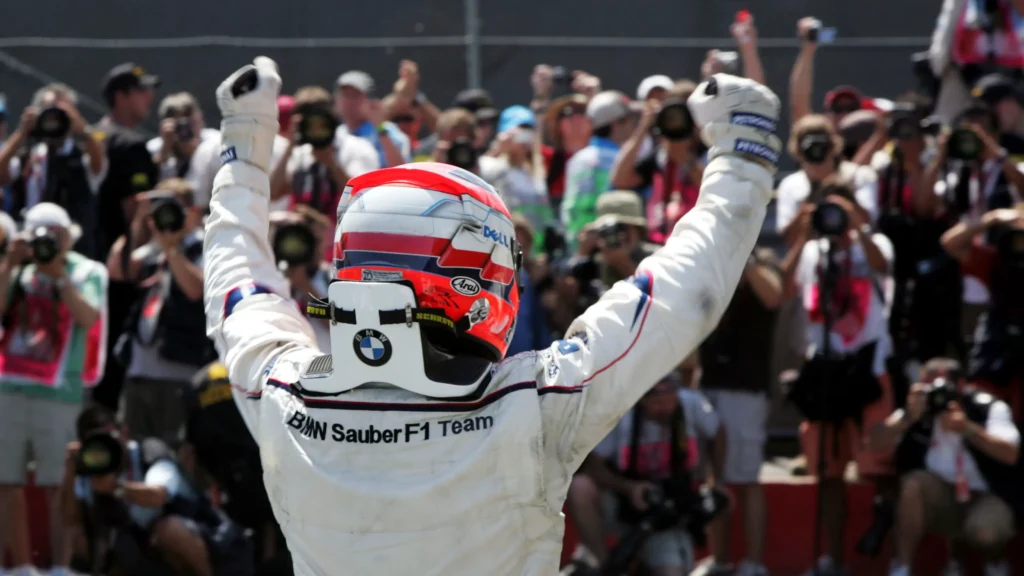
Just a year after suffering a horrifying crash at the same circuit, Kubica returned to Montreal and delivered an unforgettable performance. In a race filled with chaos and strategic twists, Kubica seized control and crossed the line to claim Sauber’s first—and still only—Formula 1 victory. Nick Heidfeld followed him home for a brilliant 1–2 finish, the only such result in the team’s history. For a brief moment, Robert Kubica even led the Drivers’ World Championship, and it felt as though BMW’s world title promise might be fulfilled.
But the dream unraveled as quickly as it had formed.
The 2009 season introduced sweeping aerodynamic rule changes, the arrival of KERS, and the dominance of teams like Brawn GP. BMW Sauber struggled to adapt. The car lacked consistency, development stalled, and the team slid to a disappointing 6th in the championship. The downturn coincided with the global financial crisis, and in July 2009, BMW shocked the motorsport world by announcing its withdrawal from Formula 1.
Official statements cited a renewed corporate focus on sustainability and alternative propulsion technologies, but the financial strain and poor results played undeniable roles. The abrupt exit left hundreds of Hinwil employees facing uncertainty and threatened to erase everything Sauber had built.
But the story did not end there.
In a remarkable act of responsibility and loyalty, Peter Sauber stepped back in, buying the team to save its people and preserve the factory he had spent decades building. The BMW era had come to a dramatic close—filled with promise, brilliance, heartbreak, and ultimately, survival. And it set the stage for Sauber’s return to the grid as a fiercely independent team once again.
Back to Hinwil: A Reborn Independent Warrior
When BMW abruptly abandoned its Formula 1 project in 2009, the sprawling Hinwil facility—once buzzing with factory-level ambition—was left standing on the edge of collapse. Overnight, the future of hundreds of employees, millions in investment, and decades of racing heritage hung in the balance. And in that moment of crisis, one man stepped forward once more: Peter Sauber. The team’s founder, who had already retired from the sport, returned not for glory but for responsibility. He stepped back into the fire to rescue the very team he had built from a Swiss garage decades earlier.
The early months of the transition were turbulent. BMW initially announced the sale of the team to a mysterious group known as Qadbak Investments, but doubts quickly surfaced about the legitimacy of the fund’s backing. Meanwhile, Sauber’s entry to the 2010 F1 grid was not guaranteed; the maximum number of teams had already been reached. Only when Toyota withdrew from the championship did a final slot open, allowing Peter Sauber to reclaim his team and its future. To ensure survival, he was forced to make painful cuts—reducing the workforce from nearly 400 employees to around 250. Yet even as a leaner operation, the heart of the team remained intact.
The reborn Sauber F1 Team returned in 2010 powered once again by Ferrari engines, the same combination that had carried them through the late ’90s and early 2000s. This marked the beginning of a new chapter defined by resilience, efficiency, and a constant fight for respect on the grid. Behind the scenes, a new leadership figure emerged: Monisha Kaltenborn, who had served as the team’s legal and corporate backbone for years. In 2010, Sauber promoted her to CEO, and by 2012, she made history as Formula 1’s first female Team Principal—a landmark moment for both the team and the sport.
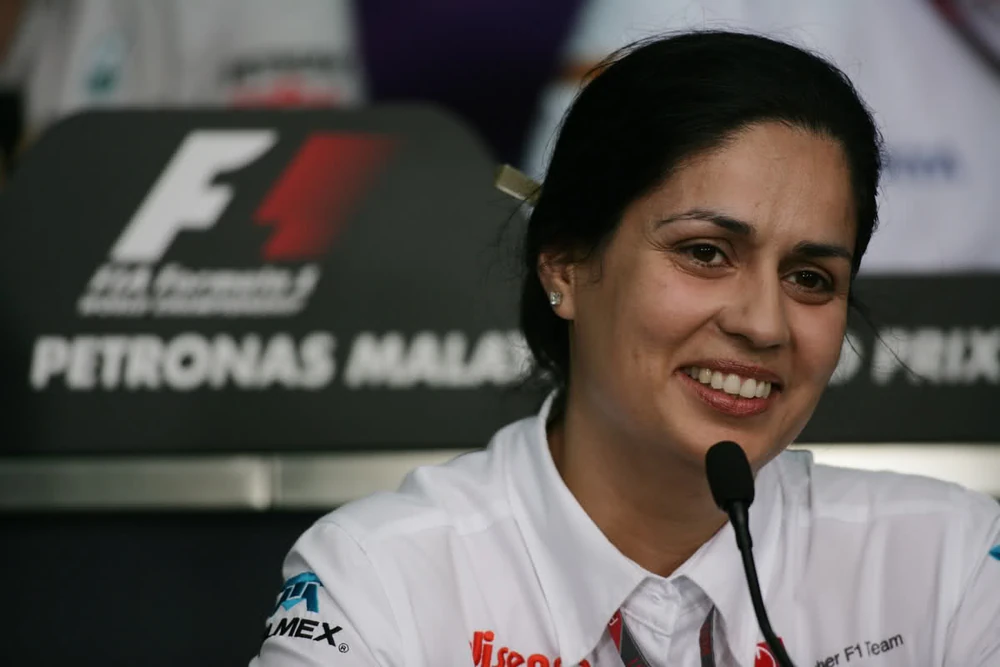
And then came 2012, the shining beacon of Sauber’s second independent era. The Sauber C31, masterminded by Technical Director James Key, was a masterclass in aerodynamic intelligence and race-day efficiency. Paired with an exciting driver lineup—Sergio Pérez, the rising talent with blistering tyre management, and Kamui Kobayashi, the fearless overtaker adored by fans—the team delivered one of the most surprising and thrilling seasons of the decade. Sauber scored four podium finishes, with Pérez nearly winning in Malaysia and performing spectacularly in Canada and Italy. Kobayashi added the emotional highlight of a podium at his home race in Japan, sparking a wave of support across the F1 world. The team finished 6th in the Constructors’ Championship with 126 points—one of their strongest campaigns ever.
But beneath the successes lay growing financial strain. As Formula 1 entered an era of skyrocketing costs and manufacturer dominance, Sauber struggled to keep pace. By 2013, performance began to dip, and the financial pressure became impossible to ignore. The team survived on determination and clever management, but by 2016, it was clear that new investment was essential.
In July 2016, Peter Sauber made the emotional decision to sell the team to Longbow Finance, a Swiss investment group. The sale secured the jobs in Hinwil, stabilized the structure, and ensured the team’s long-term survival. It also marked the end of Peter Sauber’s extraordinary journey—from building the C1 in a basement to rescuing an F1 team twice. He stepped away knowing he had safeguarded his legacy, leaving behind a team that continued to fight with the same heart, identity, and spirit he had instilled.
The warrior had returned home—and paved the way for the next evolution of Sauber’s story.
Alfa Romeo Years: A New Name, Old Spirit
When the Alfa Romeo name returned to Formula 1 in 2018, it arrived not as a factory giant but through a partnership with a team that knew all too well how to survive on limited resources. The historic Italian marque brought prestige, branding power, and financial stability—but beneath the red-and-white livery, the heart and soul of the operation remained unmistakably Sauber. Hinwil’s precision, discipline, and culture carried on, even as the badge on the sidepod changed.
The Alfa Romeo partnership emerged from a period of transformation and rebuilding. After Sauber’s sale to Longbow Finance in 2016, the team steadily regained its footing, guided by Chairman Pascal Picci and the sharp, methodical leadership of Frédéric Vasseur, who took the helm in mid-2017. Under Vasseur, Sauber stabilized operationally, strengthened its technical structure, and aligned itself closely with Ferrari—clear signs of a team preparing for renewal. And that renewal arrived in the form of Alfa Romeo, whose commercial and technical agreement with Sauber marked the brand’s return to Formula 1 after more than 30 years.
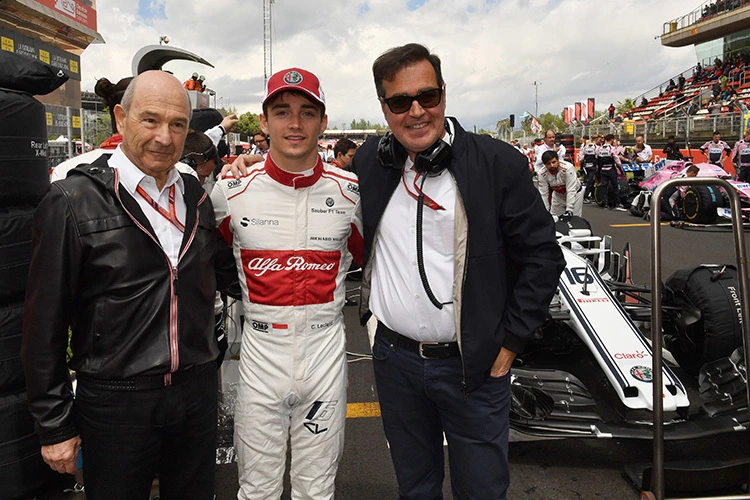
In 2018, the team entered the season as Alfa Romeo Sauber F1 Team, proudly displaying the iconic Italian name while continuing to race with its traditional “C”-series chassis. The timing proved perfect: Sauber once again discovered a future superstar. Charles Leclerc, making his Formula 1 debut, delivered a sensational rookie season—scoring points regularly, finishing as high as sixth in Baku, and outperforming his far more experienced teammate. His calm precision and blistering race pace earned him an immediate promotion to Ferrari for 2019, reinforcing Sauber’s reputation as one of the sport’s greatest talent incubators.
Leclerc’s departure opened the door to one of Formula 1’s most emotional homecomings. In 2019, Sauber—now rebranded fully as Alfa Romeo Racing—secured the return of Kimi Räikkönen, the 2007 World Champion who had made his F1 debut with the team nearly two decades earlier. His reunion with the Swiss outfit brought global attention and a sense of full-circle narrative symmetry. Alongside him, Ferrari junior Antonio Giovinazzi completed a lineup that symbolized both experience and development.
From 2019 to 2021, the team found a consistent rhythm. Much of this period was spent in the midfield trenches, scoring occasional points but relying heavily on the stability Alfa Romeo provided. The financial backing allowed Hinwil to upgrade infrastructure, expand engineering resources, and prepare for the sweeping 2022 regulation changes. Though results rarely matched the top teams, the operation ran smoothly, efficiently, and with a clear eye toward the future.
That future began to take shape in 2022, when Räikkönen’s retirement ushered in a new era with Valtteri Bottas and Zhou Guanyu—China’s first Formula 1 driver. The fresh lineup, combined with a strong early-season car built for the new technical rules, delivered Sauber/Alfa Romeo’s best season since 2012. They finished 6th in the Constructors’ Championship, proving that Hinwil still had the capability to produce competitive machinery when given resources and stability.
But behind the scenes, a larger shift was already underway. In 2022, Alfa Romeo announced that it would end the partnership after the 2023 season. The reason was clear: Sauber had secured a monumental agreement to become the Audi F1 Factory Team from 2026. The philosophies, branding, and strategic paths of Alfa Romeo and Audi were fundamentally incompatible. And so the partnership ended—not with turmoil, but with purpose.
The Alfa Romeo era may not have produced wins or championships, but it gave Sauber exactly what it needed: time, stability, visibility, and financial strength. It allowed the team to rebuild its technical base, nurture new talent, experiment within the midfield, and quietly prepare for the biggest transformation in its history.
The name on the entry list may have changed, but the spirit—the Swiss discipline, the technical sharpness, the underdog resilience—remained unmistakably Sauber.
Today’s Sauber: Regaining Its True Identity
After six years carrying the name of Alfa Romeo, the Hinwil operation stepped into 2024 with something deeper than a rebrand—it reclaimed its true identity. For the first time since 2017, the name Sauber returned to the official Formula 1 entry list. But this was not a nostalgic revival; it was a deliberate step toward a future already shaped by the giant shadow of Audi.
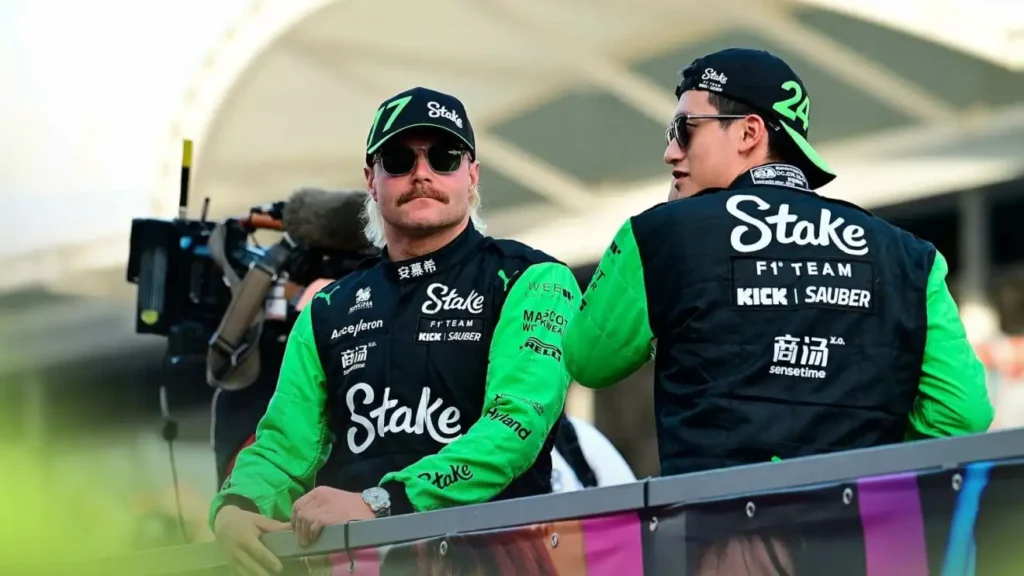
The team entered the transitional years of 2024 and 2025 as Stake F1 Team Kick Sauber, a commercial-heavy title that reflects the reality of modern Formula 1 economics. By maximizing sponsorship income while awaiting Audi’s full financial backing, Sauber was doing what it has always done best—working smart with the resources available. Yet beneath the marketing layers, the heart of the team remained unchanged. The chassis carried on Peter Sauber’s lifelong tradition with the Kick Sauber C44 and C45, honoring his wife Christiane with the iconic “C” designation.
But the biggest transformation wasn’t on the car—it was inside the factory walls. These two transitional seasons mark one of the most aggressive management overhauls in the team’s history. The team’s outward representative, Alessandro Alunni Bravi, continued to steady the ship publicly, but the deeper structural shifts were unmistakable. James Key, long-respected and returning to Hinwil as Technical Director, began laying the foundations for the team’s crucial 2026 project. At the same time, Sauber made two seismic hires that signaled a level of ambition unseen since the BMW era.
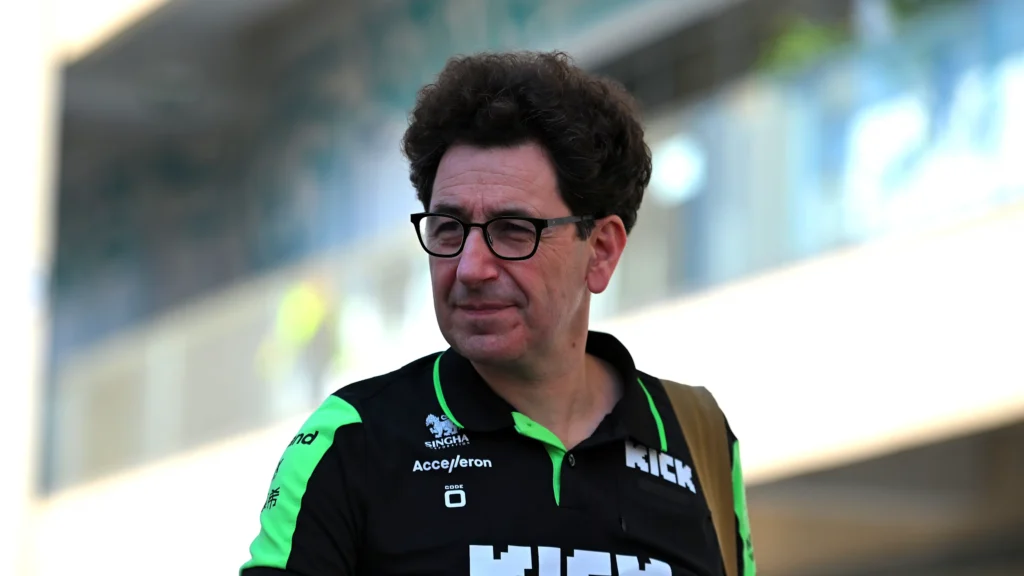
Former Ferrari Team Principal Mattia Binotto joined as Chief Technical and Operating Officer—bringing elite experience in engineering, operations, and aerodynamics. Then, in a dramatic statement of intent, the team appointed Jonathan Wheatley, Red Bull’s former Sporting Director, as the new Team Principal, effective April 2025. Wheatley has been one of the key architects of Red Bull’s operational dominance—particularly in pit stops, team structure, and race strategy. These hires were not incremental improvements; they were the kind of foundational moves a future factory team must make.
On the driver front, Sauber made equally strategic decisions. German veteran Nico Hülkenberg joined the team for 2025, providing racecraft, technical feedback, and stability—qualities essential for a team preparing for its most radical transformation in decades. Alongside him, Gabriel Bortoleto, a rising star and former Formula 2 champion, stepped in as the team’s long-term investment in youth. Together, they represent the perfect blend of experience and future potential for the incoming Audi era.
On track, the results have remained modest, but there’s a reason buried beneath the lap times. Sauber continues to run Ferrari customer engines, but the team is deliberately shifting resources away from short-term performance and into the mammoth task of preparing for 2026’s new regulations. Wind tunnel upgrades, manufacturing expansion, simulation development, recruitment, and power unit integration are consuming the bulk of Hinwil’s bandwidth. For a team with finite resources, something had to give—and it was the present-day results.
Yet this sacrifice is strategic. These two seasons are the breathing space before the biggest leap in the team’s history. Sauber is shedding old identities, strengthening its spine, modernizing its structure, and stepping into 2026 with purpose. The quiet Swiss team that once engineered race cars in a basement is now preparing to become the centerpiece of Audi’s factory Formula 1 project.
The Sauber name has returned—but only as the calm before the storm.
The Audi Dawn: A Future Forged in German Precision
After decades of survival, reinvention, and quiet excellence, Sauber now stands at the threshold of its most dramatic transformation yet. What began in a Swiss basement, grew into a respected midfield force, partnered with Alfa Romeo, and endured through shifting eras, will soon re-emerge as one of Formula 1’s most ambitious factory teams. In 2026, the Sauber name gave way to Audi—ushering in a new era defined by scale, technology, and relentless German precision.
The message became unmistakable when Audi accelerated its commitment and completed the acquisition of 100% of the Sauber Group in early 2025. This wasn’t a branding exercise or a sponsorship. It was a full-fledged takeover, backed by one of the world’s most powerful automotive giants and reinforced by the deep pockets of the Qatar Investment Authority, which joined as a significant minority shareholder. The investment, the scope, the intent—everything points toward the arrival of a true factory powerhouse. The team will officially race as the Revolut Audi F1 Team from the 2026 season, heralding the return of a German manufacturer to the championship with full technical and financial firepower.
Audi’s entry is meticulously structured across Europe’s motorsport heartlands. In Neuburg an der Donau, Germany, an all-new Formula 1 power unit—engine, hybrid systems, battery, gearbox—is being engineered from the ground up. It will be the first F1 power unit facility located entirely in Germany, symbolizing national pride and breaking decades of UK-centric tradition. Meanwhile, Hinwil continues its historic role as the center for chassis design, aerodynamic development, and race operations. Sauber’s legendary wind tunnel—one of the finest in motorsport—now forms the backbone of Audi’s chassis program. Completing the triangle is a new Technology Office in Bicester, right in the heart of Britain’s Motorsport Valley, allowing Audi to attract top-tier engineers from the UK talent pool.
Facility | Location | Focus / Role |
Power Unit | Neuburg an der Donau, Germany | Development and manufacturing of the all-new Audi Power Unit (Engine, ERS, Battery, Gearbox). This is the only F1 power unit facility based in Germany. |
Chassis & Race Ops | Hinwil, Switzerland | Design, development, and assembly of the F1 chassis (utilizing Sauber’s advanced wind tunnel), as well as all race operations and logistics. |
Technology Office | Bicester, Oxfordshire, UK | Opened in mid-2025 to attract specialized F1 engineering and technical talent from the UK’s “Motorsport Valley.” |
The timing of Audi’s entry is no coincidence. The 2026 regulation reset is the biggest overhaul since the hybrid era began. With electric power nearly tripling to 350 kW, a completely new hybrid philosophy, and engines running on 100% sustainable fuels, Formula 1 is entering a technological frontier. Existing teams must rebuild almost everything. Audi, on the other hand, starts with a clean sheet—chassis, power unit, integration—and that synchronization could become its greatest advantage. If they get the packaging right, the car could be one of the most efficient machines of the new era.
Helping steer this complex project are two of the most respected figures in modern F1 operations. Mattia Binotto, formerly the technical brain behind Ferrari’s hybrid-era resurgence, leads the entire Audi F1 program as Chief Technical & Operating Officer. Jonathan Wheatley, one of the architects of Red Bull’s race operations dominance, took over in 2025 as Team Principal. Their combined experience—engineering depth and operational excellence—is the foundation upon which Audi intends to build a championship-caliber organization.
On track, the team’s 2026 driver lineup of Nico Hülkenberg and Gabriel Bortoleto reflects a balance of experience and promise. Hülkenberg, the seasoned German driver, brings the technical insight and feedback necessary for developing a brand-new car and power unit. Bortoleto, young and brilliant, represents the future long-term core of the Audi project—echoing Sauber’s long-standing tradition of nurturing rising talent.
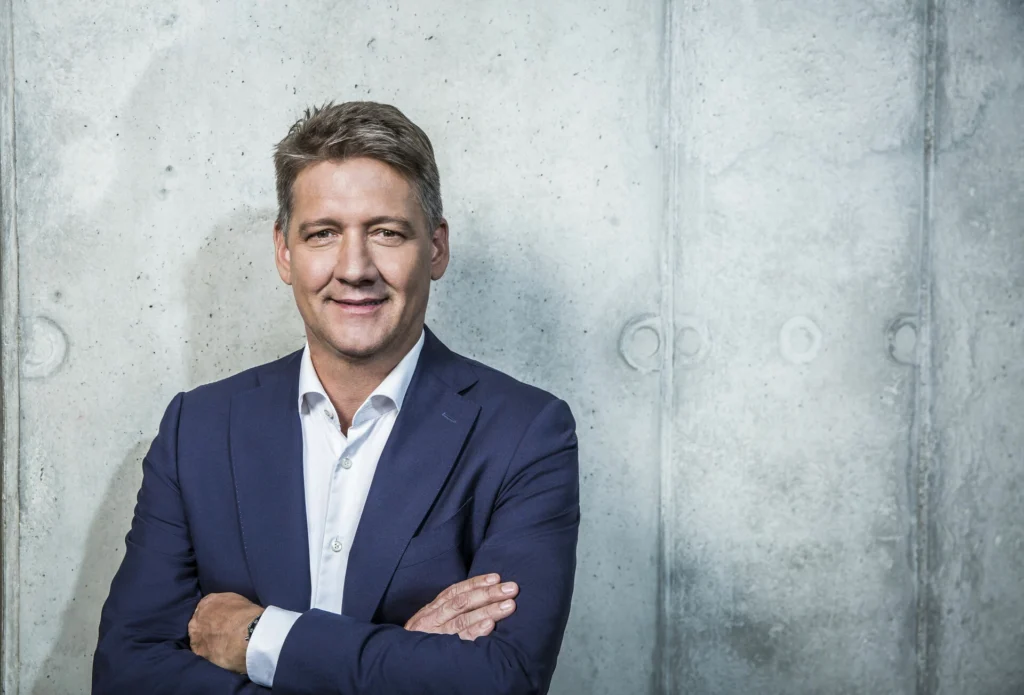
But Audi’s most powerful element is its ambition. CEO Gernot Döllner has stated the target clearly:
“By 2030, we want to fight for the World Championship.”
Few manufacturers dare to set timelines. Fewer still have the confidence to declare them publicly.
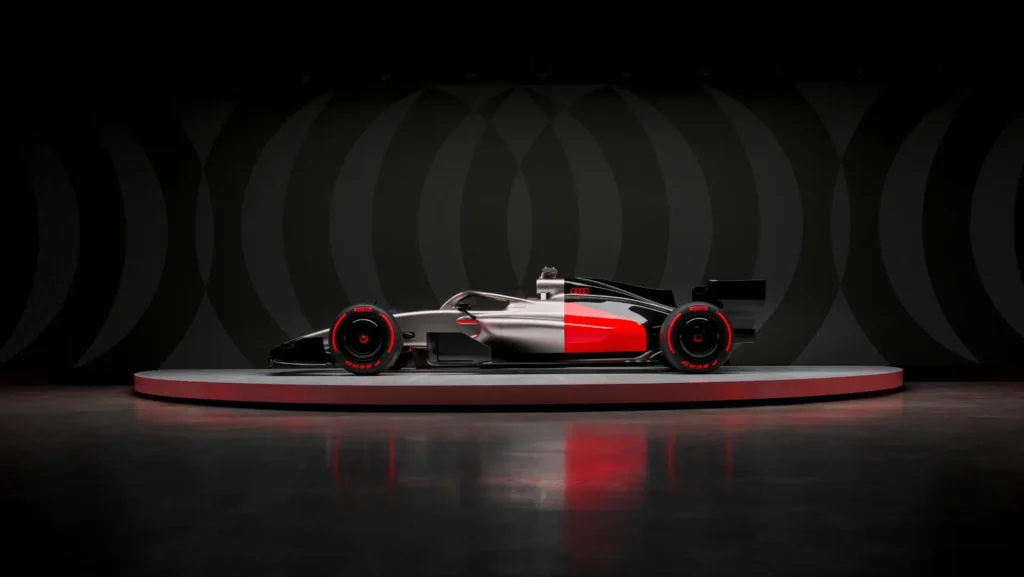
Audi already unveiled its striking R26 concept livery—a fusion of titanium grey, carbon black, and Audi red—signaling a bold identity ready to break into the grid. But the real excitement lies not in the visuals, but in the undeniable momentum. This is not a team entering Formula 1 to participate. They are entering to compete, challenge, and eventually dominate.
For Sauber, the Audi dawn is the culmination of everything it has survived and built:
the quiet years, the engineering brilliance, the underdog courage, the talent development, the factory resilience. All of it has led to this moment. A new era is beginning—and the roar coming from Hinwil will soon echo across Formula 1.
The Ever-Enduring Spirit of Sauber
Across more than three decades in Formula 1, Sauber’s story has never been defined by championships or glamour—but by something far rarer: endurance. This team has survived against odds that would have buried countless others. They weathered the loss of Mercedes before their F1 debut, endured the abrupt withdrawal of BMW at the peak of their competitiveness, navigated financial storms that consumed other privateers, and fought on through eras defined by manufacturer might and multimillion-dollar operations. Each time the world doubted them, Sauber returned—leaner, wiser, and more determined than before.
At the core of this resilience lies the vision of Peter Sauber, the quiet genius from Zurich who built his first racing machine in a basement and went on to create a global motorsport institution. His philosophy—precision over noise, competence over chaos, and calm over spectacle—shaped a team that never needed to shout to prove its worth. Hinwil became synonymous not with glamour, but with craftsmanship, discipline, and unshakable pride in doing things properly.
Yet Sauber’s greatest legacy may be the stars it unleashed onto Formula 1. The team became the sport’s most unlikely finishing school: offering Michael Schumacher his platform in sports cars, debuting Kimi Räikkönen, sharpening Felipe Massa, nurturing Robert Kubica, and introducing Charles Leclerc to the world. In every generation, Sauber quietly handed the grid one of its future leaders. No other team in the midfield has shaped as many careers or influenced the sport as profoundly.
Now, as the Hinwil operation transforms into the Audi F1 Factory Team, this enduring spirit is finally being rewarded with the resources it long deserved. The arrival of Jonathan Wheatley, Mattia Binotto, and the financial firepower of Audi and the Qatar Investment Authority signals a new standard: no longer a team fighting simply to survive, but one preparing to compete at the front. For the first time in its history, Sauber’s identity is merging with the full weight of a global automotive titan.
The path ahead is steep. Integrating an all-new power unit from Neuburg with a fresh chassis philosophy in Hinwil—under a radical 2026 rulebook—is one of the most complex engineering challenges in modern motorsport. But if any team has earned the right to believe in its future, it is the one that has already outlasted crises, giants, and eras.
Sauber’s journey began in a basement. It survived in a workshop. It endured in a wind tunnel. And now, with Audi’s backing, that same spirit of resilience and precision will carry the team into its greatest challenge yet: fighting not just to be present on the grid, but to shape the future of Formula 1.
The name may evolve, the colors may change, but the soul remains the same.
The ever-enduring spirit of Sauber continues—now aiming for the front.

It’s fascinating how Sauber has maintained such a strong presence through endurance, especially considering their location outside of Motorsport Valley. I was actually researching team strategies and found some interesting parallels on https://tinyfun.io/game/hero-rescue-survival-game.